The Milestones
Hiring a Proposal Photographer: Flytographer Cost Guide & What to Expect
What a surprise-proposal shoot actually costs in 2026 — Flytographer vs. Localgrapher vs. local pros — plus booking lead times, the discreet logistics, and how to avoid the National Park permit trap.
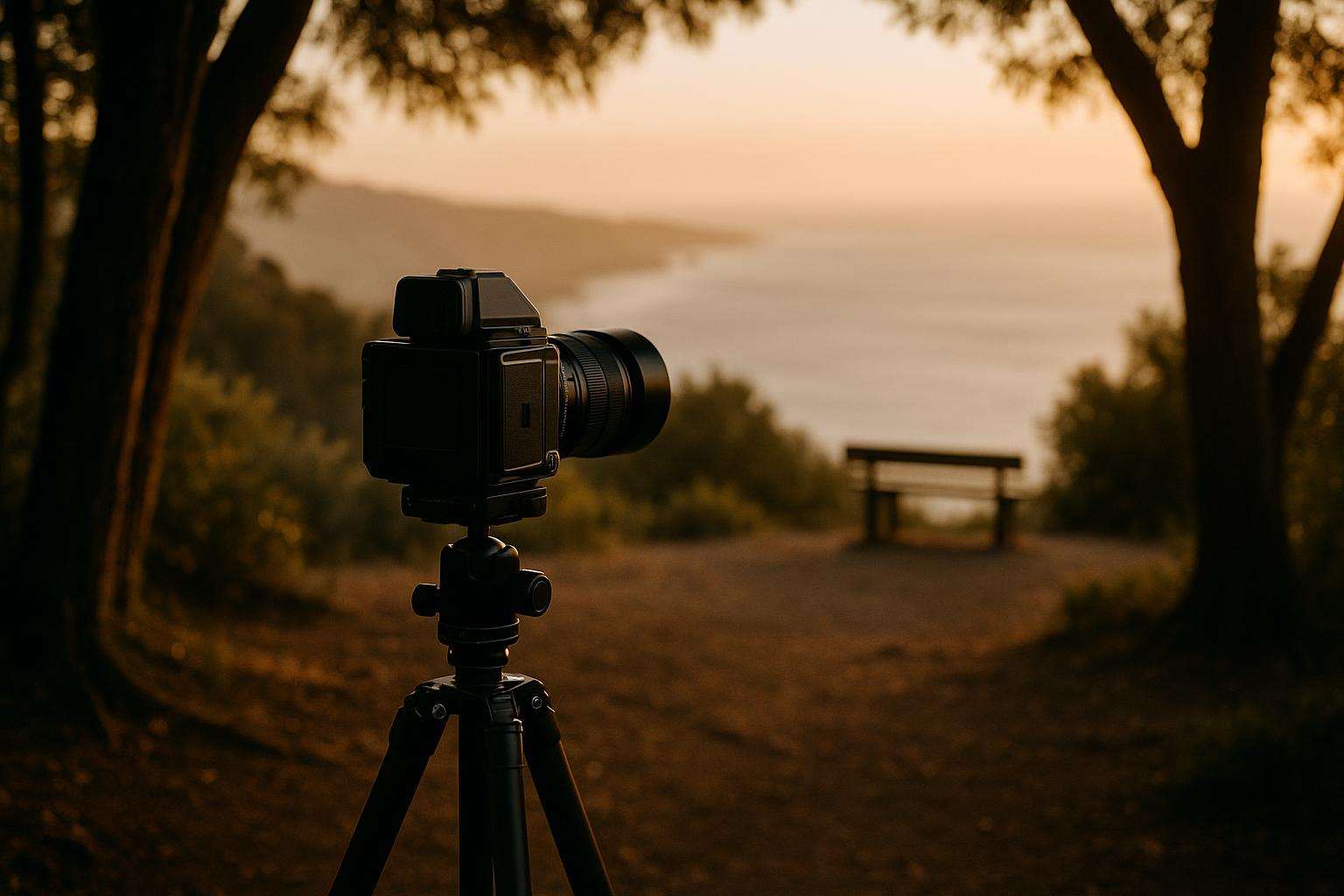
Once you have chosen where to propose, the next decision usually decides how you will remember it forever: whether — and how — to hire a photographer to capture the moment. In 2026 a discreet proposal shoot has become the default for destination proposals, and for good reason. The question is asked exactly once, the reaction is unrepeatable, and a phone selfie afterward cannot recover what a hidden professional captures in real time. This guide covers what a proposal photographer actually costs, how far ahead to book, how the surprise is protected, and the one logistics trap — permits — that catches couples off guard.
What a proposal photographer costs in 2026
Pricing clusters into three tiers. Global platforms sit in the middle, local pros bracket both ends, and destination or luxury coverage runs highest.
Flytographer is the category leader — a global vacation-photographer network spanning more than 350 cities, with over 100,000 customers served and a quality bar it enforces by hiring under 3% of applicants.[Flytographer] Its proposal packages start at roughly $425 for a 30-minute shoot, with standalone engagement portrait sessions from about $325. Localgrapher offers comparable globally available proposal coverage, often useful in smaller destinations where Flytographer's roster is thinner.[Localgrapher] Independent local photographers span the widest range: roughly $250 for a short hometown shoot up to $1,500 or more for a sought-after destination pro in Paris, Santorini, or New York.
| Option | Typical 2026 price | Best for | Main tradeoff |
|---|---|---|---|
| Flytographer (proposal) | From ~$425 / 30 min | Destination proposals; certainty and support | Higher price than some locals |
| Flytographer (engagement session) | From ~$325 | Posed portraits after the yes | Not a hidden-moment shoot |
| Localgrapher | Broadly similar band | Smaller or off-network destinations | Variable roster depth by city |
| Local independent pro | ~$250–$1,500+ | Hometown proposals; local knowledge | Quality and reliability vary |
| Resort-provided photographer | Bundled in package (~$500–$2,500) | Overwater / all-inclusive setups | Less artistic control |
What is included matters as much as the headline number. A quoted price typically covers the session, the photographer's discreet on-site setup, and a defined number of edited high-resolution digital images. Add-ons — a second shooter, video, extended coverage, or rush editing — cost extra. Always confirm image count, delivery timeline, and the reschedule policy before you pay.
How far ahead to book — and why lead time is everything
A proposal is a fixed appointment with a moment that will not wait. Flytographer requires a minimum of two weeks for surprise proposals and recommends four or more weeks in peak seasons.[Flytographer] Peak windows are predictable: the winter holidays (the single largest proposal window), the Valentine's period, and summer vacation season all compress availability. In marquee cities, prime golden-hour weekend slots can be gone two to three months out.
Lock the photographer first. The photographer's availability is the least flexible piece of a destination proposal — more rigid than flights, hotels, or dinner reservations, all of which have alternatives. Book the shoot the moment you know your date and city, then build everything else around that fixed point.
How the surprise stays a surprise
Discreet coverage is a rehearsed craft, not luck. A good proposal photographer arrives early, scouts a vantage point with a clean sightline, and shoots from a distance with a longer lens so they read as just another tourist. Beforehand, you agree on a subtle cue — a spot to stand, a hat, a hand gesture — so they know the exact instant to start firing. Most pros brief you by email and a short call, share a precise pin-drop of the location, and set a weather backup time. The instant you propose, they capture the reaction, then step forward for celebratory portraits — which is where a proposal shoot naturally rolls into a full engagement session.
This is also where the stealth-planning reality of proposals matters. Because so many proposals are surprises, all of this coordination happens without the other partner knowing. Communicate with the photographer using an email address or channel your partner does not share, and avoid leaving confirmation emails or calendar invites visible.
The permit trap: National Parks and public sites
The most avoidable mistake in proposal planning is ignoring permits. The National Park Service requires a commercial photography permit for any photographer working for compensation on park land, and requirements vary by park — some issue permits in days, others need two to four weeks plus application and location fees.[NPS] A photographer without the right permit can be turned away at the gate. Before you book a Yosemite, Grand Teton, or Yellowstone proposal, check that specific park's commercial photography page and confirm your photographer either holds or will secure the permit. Some botanical gardens, historic estates, and city landmarks have their own commercial-shoot rules too — ask.
Choosing the right option for your proposal
For a destination proposal in a place you do not know well, the vetting, standardized pricing, English-language coordination, and reschedule protection of Flytographer or Localgrapher usually justify the premium — the downside risk of a no-show or a language-barrier mix-up on a one-shot moment is simply too high. For a hometown proposal where you can meet the photographer, review a full portfolio, and scout the location yourself, a trusted local pro can deliver equal quality for less. Whichever you choose, book early, confirm permits, agree on your signal, and let the photographer handle the rest. If you are still deciding where to pop the question, pair this with our companion guides on the most romantic proposal spots by vibe and how to travel with the ring — and, for the ring itself, our sister site Carat Yes covers styles, sourcing, and budgets in depth.
Frequently asked
How much does a proposal photographer cost in 2026?
As of 2026, a professional surprise-proposal shoot generally runs $325 to $700 for the core session, with premium destinations and longer coverage pushing toward $1,000 to $1,500. Flytographer, the category leader, starts proposal packages at roughly $425 for a 30-minute shoot and about $325 for a standalone engagement portrait session. Localgrapher offers globally available proposal coverage in a broadly similar band. Local independent photographers vary widely — from around $250 for a short hometown shoot to $1,500-plus for a well-known destination pro with a full gallery. The price usually covers the session, the photographer's discreet setup, and a set number of edited high-resolution images delivered digitally; add-ons like a second shooter, video, or same-day rush editing cost extra.
How far in advance should I book a proposal photographer?
Book as early as you can, and never assume last-minute availability. Flytographer requires a minimum of two weeks' lead time for surprise proposals and recommends four or more weeks during peak seasons — the winter holidays, Valentine's window, and summer being the most heavily booked. Popular destination photographers in cities like Paris, Santorini, and New York can fill up two to three months ahead for prime golden-hour weekend slots. For a National Park proposal you need even more runway, because the park's commercial photography permit can take two to four weeks (sometimes longer) to process. The safest plan: lock the photographer the moment you know your date and location, then treat everything else as flexible around that fixed point.
How does the photographer stay hidden so the proposal is a surprise?
Discreet proposal photography is a practiced craft. The photographer arrives early, scouts a position with a clear sightline to your planned spot, and shoots from a distance with a longer lens so they blend into the scene as just another tourist with a camera. You and the photographer agree in advance on a subtle signal — a specific spot to stand, a hat you are wearing, a hand gesture — so they know exactly when and where the moment will happen. Many pros brief you by email and a short call beforehand, share a pin-drop of the exact location, and confirm a backup time in case of weather. After you propose, they typically step forward to capture the celebration and a few posed portraits, which is when the surprise turns into a full engagement session.
Is Flytographer or a local photographer better for a proposal?
It depends on how much certainty you want. Flytographer and Localgrapher offer vetted global networks, standardized pricing, English-language coordination, rescheduling protection, and a consistent quality bar — Flytographer reports hiring under 3% of applicants — which matters enormously for a one-shot, unrepeatable moment abroad. A local independent photographer can cost less and may know a hidden local vantage point better than anyone, but quality and reliability vary, communication can be harder across a language barrier, and you carry more risk if they cancel. For a destination proposal in a place you do not know, the platform's vetting and support usually justify the price. For a hometown proposal where you can meet the photographer and review their portfolio in person, a trusted local pro can be the better value.
Do I need a permit to hire a proposal photographer in a National Park?
Often, yes — and it is the single most overlooked proposal-planning mistake. The National Park Service requires a commercial photography permit for any photographer working for compensation on park land, and requirements vary by park. Some parks process permits in a few days; others need two to four weeks and charge application and location fees. A photographer without the required permit can be turned away at the gate, ruining a carefully planned proposal. Check the specific park's commercial photography page well in advance, ask your photographer whether they already hold a permit for that park, and build in weeks of lead time. Personal, non-commercial photos you take yourself generally do not require a permit, but the moment you pay a photographer, the commercial rules apply.
What is the difference between a proposal shoot and an engagement session?
A proposal shoot captures the actual moment of the question — the surprise, the reaction, and the immediate celebration — usually shot discreetly from a distance before the photographer steps in. An engagement session is a planned, posed portrait shoot done after you are already engaged, where you both know the camera is there and dress and pose intentionally. Many couples do both, and services price them separately: Flytographer, for example, starts proposal coverage around $425 and standalone engagement sessions around $325. A popular approach is to book a single longer session that begins as a hidden proposal shoot and rolls straight into a celebratory engagement portrait session once you have said yes, which gives you both the candid reaction shots and the polished portraits in one booking.