Experiences
Scuba Diving Honeymoons: Best Destinations for Certified & First-Time Couples
Whether one of you is a seasoned diver and the other has never worn a mask, there's a scuba honeymoon that fits. We rank the best destinations by certification level — from beginner-friendly reefs to advanced liveaboards — plus the insurance detail that catches most couples out.
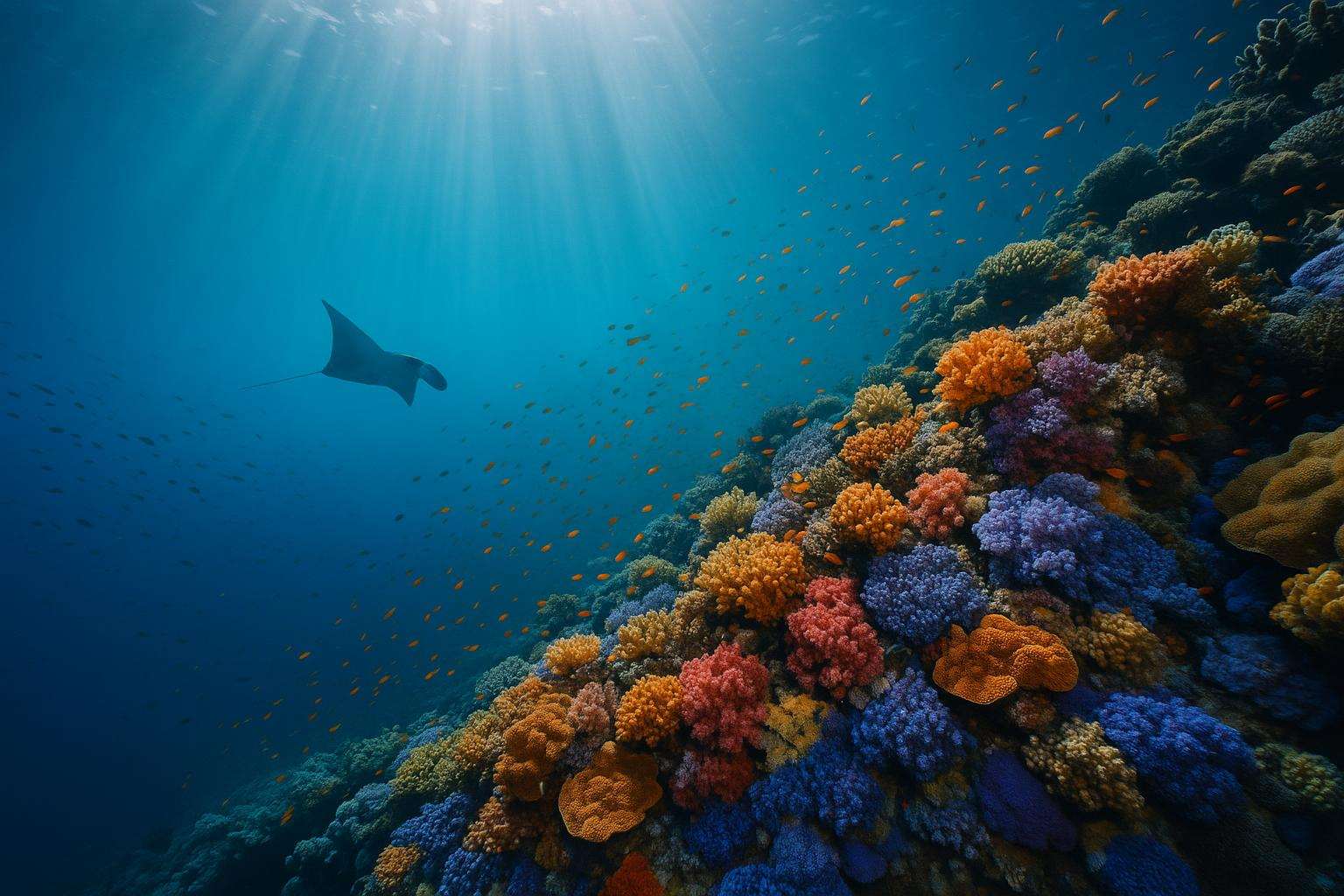
A scuba honeymoon is one of the few trips that can bond a couple in genuine adventure — but it is also one of the easiest to get wrong, because the right destination depends almost entirely on your certification level and how well your two experience levels match. A honeymoon that thrills two advanced divers in Raja Ampat could frighten a newly certified partner, and a beginner-perfect reef in the Maldives may bore a seasoned wreck diver. Here is how to match destination to skill — and the insurance detail that catches most couples out.
Understanding the certification ladder
Diving destinations are effectively gated by certification. The entry-level PADI Open Water certification permits dives to 18 meters and takes three to four days to earn; the Advanced Open Water certification opens depths to 30 meters; anything beyond 40 meters is technical diving.[PADI] Uncertified partners aren't excluded — a resort-based Discover Scuba Diving session lets a first-timer do a supervised, shallow introductory dive with an instructor. The smart move for many couples is to get certified at home before the trip (or do a referral, splitting classroom work at home and open-water dives at the destination) so the honeymoon itself is diving, not coursework.
Best for beginners and mixed-experience couples
The Great Barrier Reef is arguably the friendliest great dive destination on earth for newer divers. Managed as a marine park by the Australian government, it offers warm, generally calm water, dense dive infrastructure out of Cairns and Port Douglas, and countless shallow, high-visibility sites suited to Open Water divers and Discover Scuba first-timers — with a partner easily snorkeling the same reef.[GBRMPA] Climate pressures on the reef are real and well documented, so choose operators certified for high environmental standards and outer-reef sites in the healthiest condition.
The Maldives is the beginner-to-intermediate luxury pick. Many resorts sit above a house reef reachable from the villa steps, so a certified diver and a snorkeling partner launch from the same beach in bath-warm water, then progress to guided channel and drift dives — where manta rays, whale sharks and reef sharks appear — as confidence grows. It's the destination that best serves a couple with one keen diver and one cautious one, wrapped in overwater-villa romance.
Best for advanced and adventurous divers
Raja Ampat, in Indonesia's West Papua, is widely regarded as the most biodiverse marine region on the planet — home to more than 1,500 reef fish species and roughly 75 percent of all known coral species. But its currents are strong and unpredictable, so it suits intermediate and advanced divers, most of whom explore it by liveaboard to reach remote sites from Misool to Wayag. The optimum window is October through April, when visibility often exceeds 30 meters and manta sightings peak; many liveaboards suspend operations in the stormy July-August stretch.[Bluewater Dive Travel] Liveaboard trips typically run $1,500 to $6,000 per person for a week depending on the vessel and route.
Palau, in Micronesia, is the shark-and-wall bucket-list dive. Its most famous site, Blue Corner, is a current-driven plateau where divers clip in with a reef hook and watch schooling sharks, jacks and barracuda stream past in the flow — dramatic, exhilarating and firmly for experienced divers. Palau also holds the surreal Jellyfish Lake and superb WWII wrecks. It dives well year-round, with roughly November through May generally the calmest.
Matching destination to certification
| Destination | Best for | Signature | Prime season |
|---|---|---|---|
| Great Barrier Reef (Australia) | First-timers, Open Water, mixed couples | Warm, calm, huge shallow reef system | Jun–Oct (dry, clear) |
| Maldives | Beginner to intermediate; luxury romance | House reefs off the villa; mantas & whale sharks | Nov–Apr (dry season) |
| Raja Ampat (Indonesia) | Intermediate to advanced; liveaboard | Peak biodiversity, strong currents | Oct–Apr |
| Palau (Micronesia) | Advanced; current divers | Blue Corner sharks, wrecks, Jellyfish Lake | ~Nov–May |
The bottom line: if either of you is new to diving, start on the Great Barrier Reef or in the Maldives, where warm, calm, shallow reefs let two experience levels dive happily together. Save Raja Ampat and Palau for when you've both logged real current experience — their rewards are extraordinary but their conditions are unforgiving.
The insurance gap almost no one checks
Here is the single most consequential piece of planning for a diving honeymoon: most standard travel insurance policies either exclude scuba diving outright or cap covered depth at about 18 meters. If you hold Open Water certification, dive to 25 meters, and suffer decompression sickness, many standard policies deny the claim outright because you exceeded your certified depth — and hyperbaric chamber treatment runs $3,000 to $10,000 per session, with air evacuation from a remote dive site exceeding $50,000. Uncertified divers on Discover Scuba courses are frequently excluded entirely. Specialist insurers close the gap: World Nomads covers scuba to 50 meters on all its plans and names hundreds of adventure activities, while Battleface includes adventure sports in its base plan.[World Nomads] Whatever you buy, get written confirmation from the insurer that your exact planned depth and activity are named as covered, and consider Divers Alert Network (DAN) membership for diving-specific medical and evacuation support.
The honest tradeoffs
Diving honeymoons carry real friction worth naming. Certification takes time and money before you even leave, and a mismatch in enthusiasm — one partner obsessed, the other lukewarm — can strain the trip, so be honest about how many dives you each actually want. Liveaboards deliver the best diving but confine you to a boat for a week with other guests, which is not everyone's idea of romance; a land-based resort with a house reef preserves privacy at the cost of site variety. Remote destinations like Raja Ampat and Palau involve long, multi-leg journeys and limited medical infrastructure, which raises the stakes on both insurance and conservative diving practice. And no destination guarantees the marquee sighting — mantas, whale sharks and shark walls are wild animals on their own schedule. Dive within your training, build in surface-interval and no-fly time before your flight home, and treat the reef itself, not just the big animals, as the reward.
Frequently asked
Can one partner dive and the other snorkel on a scuba honeymoon?
Absolutely, and this is one of the most common scenarios. Most reputable dive resorts and liveaboards run parallel programs so a certified diver can descend on a site while their partner snorkels the same reef from the surface — at shallow, healthy reefs like those in the Maldives and parts of the Great Barrier Reef, the snorkeler often sees turtles, reef sharks and rays without ever putting on a tank. If the non-diver wants to try it, a resort-based Discover Scuba Diving experience lets an uncertified person do a supervised, shallow introductory dive with an instructor. The best of both worlds is often a resort with a house reef, where diving and snorkeling launch from the same beach and you regroup between sessions.
Do we both need to be certified before the honeymoon?
Not necessarily, but planning ahead pays off. If you want to dive together at depth, both partners should hold at least a PADI Open Water certification, which permits dives to 18 meters and takes three to four days to earn. Many couples get certified at home before the trip so the honeymoon itself is pure diving rather than coursework; others complete a referral, doing the classroom and pool work at home and the open-water dives at the destination. For advanced sites with strong currents — Raja Ampat and Palau in particular — an Advanced Open Water certification (allowing 30 meters) and logged experience are strongly recommended. First-timers who only want a taste can do Discover Scuba without any certification, but it caps you at shallow, instructor-led dives.
Which is the best scuba destination for beginner divers?
The Great Barrier Reef and the Maldives are the two friendliest for newer certified divers and first-timers. The Great Barrier Reef offers warm, generally calm water, excellent dive infrastructure out of Cairns and Port Douglas, and countless shallow, high-visibility sites suited to Open Water divers and Discover Scuba newcomers. The Maldives pairs beginner-friendly house reefs off luxury villa steps with the option to progress to channel and drift dives as you gain confidence, all in bath-warm water. Both let a couple with mismatched experience levels dive comfortably together. Raja Ampat and Palau, by contrast, feature strong, unpredictable currents that suit intermediate and advanced divers, not first-timers.
When is the best time to dive Raja Ampat and Palau?
For Raja Ampat in Indonesia, the optimum window is roughly October through April, the dry season, when visibility often exceeds 30 meters and marine life is at its fullest; it's also the best stretch for manta rays. Many liveaboards suspend operations in July and August, the stormiest months, when strong southern winds whip up the Dampier Strait. Palau in Micronesia dives well year-round, with the drier months of roughly November through May generally offering the calmest conditions; its famous sites like Blue Corner are current-driven and reward experienced divers who can use a reef hook. In both places, book liveaboard cabins well ahead — the best boats sell out months in advance for prime dates.
Does standard travel insurance cover scuba diving on a honeymoon?
Often not, and this is the single most important thing to verify before a diving honeymoon. Most standard travel policies either exclude scuba diving outright or cap covered depth at about 18 meters, matching entry-level certification. If you hold Open Water certification, dive to 25 meters, and suffer decompression sickness, many standard policies deny the claim because you exceeded your certified depth. Hyperbaric chamber treatment runs $3,000 to $10,000 per session and air evacuation from a remote dive site can exceed $50,000. Uncertified divers on Discover Scuba courses are frequently excluded entirely. Specialist insurers built for this — World Nomads (scuba to 50 meters on all plans) and Battleface (adventure sports included in the base plan) — close the gap. Always get written confirmation that your exact planned depth and activity are named as covered.