Destinations
French Riviera & Provence Honeymoon Guide
Nice, Monaco, Saint-Tropez and the lavender-and-vineyard hinterland of Provence, with real palace-hotel rates, seasonal strategy and how to pair coast with countryside.
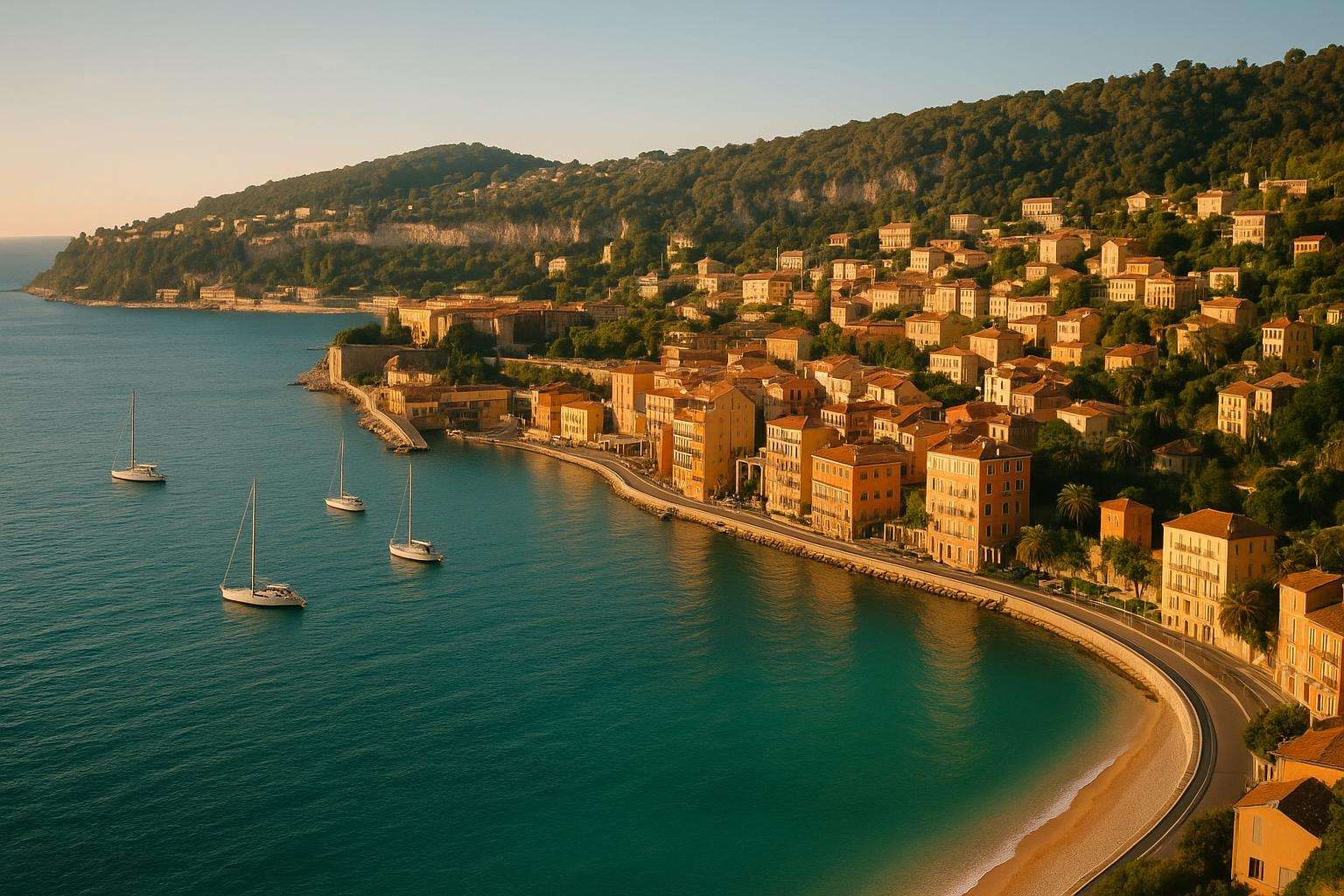
The Cote d'Azur is Europe's oldest purpose-built luxury coastline: a 120-kilometer arc from the Italian border to Saint-Tropez, anchored by Monaco's microstate glamour and backed by the vineyards, hilltop villages and lavender fields of Provence. For a honeymoon, that combination is the whole appeal. You can pair palace hotels and Michelin dining on the coast with slow, sun-warmed afternoons in wine country an hour inland, moving from cosmopolitan to pastoral without leaving the region. This guide covers where to stay, what the flagship hotels actually cost, how to pair coast with countryside, and the seasonal strategy that separates a great Riviera honeymoon from an overpriced one. Prices are ranges as of 2026 and attributed below.
Where should you stay on the French Riviera?
Monaco is the two-day glamour opener. The principality covers just two square kilometers yet holds more Michelin stars per capita than anywhere on Earth, concentrated in Monte-Carlo around the Belle Epoque casino and the Hotel de Paris. Dining at the two-Michelin-starred Le Louis XV, Alain Ducasse's flagship, is the benchmark special-occasion meal on the coast, with tasting menus beginning around 380 euros per person.
Nice is the underrated base: the largest city on the Riviera, with the seven-kilometer Promenade des Anglais, Castle Hill panoramas, the pedestrianized old town and the Cours Saleya flower-and-produce market, one of France's finest. Hotels range from the historic Belle Epoque Negresco to boutique options in Vieux-Nice, and it is comparatively affordable and easy to reach.
Saint-Tropez and Cap d'Antibes hold the two most celebrated addresses. Airelles Chateau de la Messardiere above Saint-Tropez is a 19th-century hilltop chateau with 117 rooms and suites, 32 acres of jasmine gardens, three pools and a Valmont spa overlooking both the bay and Pampelonne Beach. Per the MICHELIN Guide, published rates begin around 1,000 euros at entry level, with high-season standard rooms running 3,000 euros and up. Hotel du Cap-Eden-Roc at Cap d'Antibes is the other essential ultra-luxury property, an 1887 institution in nine hectares of pine garden with a saltwater pool cut from the rock; per the Oetker Collection, it is seasonal (April-October) and rates start in the 1,000 to 2,000 euro range, climbing far higher in peak weeks.
How much does a French Riviera honeymoon cost?
The Riviera can be dialed from serious splurge to shoulder-season value, but the flagship hotels are firmly in luxury territory. Here is how the marquee stays compare.
| Property / Experience | Location | Rate (2026) |
|---|---|---|
| Hotel du Cap-Eden-Roc | Cap d'Antibes | ~1,000-2,000 euro entry (suites much higher) |
| Airelles Chateau de la Messardiere | Saint-Tropez | ~1,000 euro entry; 3,000+ peak |
| Le Louis XV tasting menu | Monaco | ~380 euro per person |
| Provence cooking class | Avignon / Luberon | ~150-250 euro per person |
The single biggest lever on total cost is timing. According to French Side Travel, shoulder-season dates deliver the same coast at meaningfully lower rates than the July-August peak, and midweek stays typically undercut weekends.
How do you pair the coast with Provence?
The move that elevates a Riviera honeymoon is adding two or three nights inland in Provence. The region centers on cooking and wine: vineyard estates, hilltop villages, and, in season, the lavender that blooms roughly late June through mid-July. Per Exclusive France Tours, Chateau La Coste near Aix-en-Provence combines a working winery with contemporary art and architecture; cooking classes with Michelin-trained instructors around Avignon, Arles and the Luberon range from a single afternoon at 150 to 250 euros per person to multi-day residential programs. April to May is best for markets and outdoor classes before crowds; September aligns with harvest. A rental car is effectively required inland, where vineyards and villages are poorly served by public transport.
When should you go, and what should you avoid?
Peak summer means maximum glamour and maximum crowds. Shoulder season, May-June and September-October, is the honeymoon sweet spot: September in particular pairs peak Mediterranean sea temperatures with thinned crowds after European school tourism ends. Two calendar events distort pricing dramatically. The Cannes Film Festival, typically mid-May, and the Monaco Grand Prix, in late May to early June, both send coastal rates soaring; for the Grand Prix specifically, trackside yacht berths in Port Hercule command extraordinary premiums. Unless you are attending, plan around those weeks.
The honest verdict
The French Riviera and Provence combine into one of Europe's most complete honeymoons: palace hotels and three-star dining on the coast, and slow wine-country afternoons an hour inland. The weaknesses are real and worth naming. It is expensive at the top tier, the marquee hotels are seasonal and book out for festival weeks, summer crowds and traffic can be intense, and the region genuinely requires a plan, and often a car, rather than a fly-and-flop attitude. But for couples who want their first trip as newlyweds to move between cosmopolitan glamour and pastoral calm, timed for the shoulder-season light, few destinations reward the effort more.
Frequently asked
How many days do you need for a French Riviera and Provence honeymoon?
Seven to ten nights is the sweet spot. A tight seven-night version dedicates one or two nights to Monaco, one to Nice as a base, and three to four in Saint-Tropez or on Cap d'Antibes, using each town for a distinct mood. Adding two or three nights in the Provence hinterland, roughly the vineyards, hilltop villages and lavender country inland from the coast, transforms the trip from a glamour-coast escape into a coast-and-countryside honeymoon. Fewer than six nights forces too much driving relative to relaxation. Beyond ten nights, most couples extend into a second region such as the Amalfi Coast or Paris rather than adding more Riviera time.
When is the best time for a French Riviera honeymoon?
The Cote d'Azur rewards couples who understand its seasonal logic. Peak summer, July and August, delivers maximum glamour and maximum crowds and pricing. Shoulder season, May to June and September to October, delivers the same Mediterranean light and warmth with room to breathe and measurably lower rates. September is especially strong: sea temperatures hit their annual peak, European school tourism has ended, and hotel rates fall well below August levels. Two dates to watch are the Cannes Film Festival, typically mid-May, and the Monaco Grand Prix in late May to early June, when coastal rates spike dramatically. Provence's lavender blooms roughly late June through mid-July if that is a priority.
How much does Hotel du Cap-Eden-Roc cost?
Hotel du Cap-Eden-Roc at Cap d'Antibes is one of the two essential ultra-luxury Riviera addresses, an 1887-founded institution set in nine hectares of coastal pine garden with 111 guestrooms and a saltwater pool blasted from the rock. As an Oetker Collection property it operates seasonally, roughly April through October. Standard room rates historically start in the 1,000 to 2,000 euro range, with suites escalating to 3,000 to 15,000 euros or more in peak season. The most expensive weeks align with the Cannes Film Festival, when the hotel books out months ahead. For couples targeting it, reserve early and consider shoulder-season dates to soften both price and crowds.
Is Saint-Tropez or Nice a better honeymoon base?
They serve different couples. Nice is the underrated practical base: the largest city on the Riviera, home to the regional airport, with the seven-kilometer Promenade des Anglais, the old town's pedestrian lanes and the Cours Saleya market. It is walkable, well-connected and comparatively affordable. Saint-Tropez is the glamour play: legendary Pampelonne beach clubs, a picture-perfect harbor and hilltop luxury like Airelles Chateau de la Messardiere, but it is harder to reach and pricier. A strong honeymoon uses Nice or Cap d'Antibes for the first stretch, day-trips to Monaco, and then decamps to Saint-Tropez for a more indulgent finale rather than choosing one exclusively.
What is there to do in Provence on a honeymoon?
Provence is the countryside counterweight to the coast's glamour. The core experiences are vineyard estates and wine tastings, cooking classes with Michelin-trained instructors around Avignon, Arles and the Luberon, hilltop-village wandering, and, in season, the lavender fields that bloom roughly late June through mid-July. Chateau La Coste near Aix-en-Provence combines a working winery with contemporary art and architecture and exceptional regional cuisine. Cooking classes run from a single afternoon at roughly 150 to 250 euros per person to multi-day residential programs. April to May is ideal for markets and outdoor classes before crowds arrive; September aligns with the wine harvest. Pairing two or three Provence nights with the Riviera coast makes for a beautifully varied honeymoon.
How do you get around the French Riviera?
Nice Cote d'Azur Airport is the regional gateway, with direct flights from major US cities via Air France and Delta. The A8 autoroute links all the major coastal towns, and options for getting around include car rental, private transfer, or, for a splurge, helicopter. Helicopter transfers from Nice to Monaco take about seven minutes and bypass the 45-minute coastal road; Saint-Tropez is roughly 30 minutes by air or two hours by car via the A8. Public bus and train are functional but slow in summer traffic. If you plan to explore Provence's countryside, a rental car is effectively required, since vineyards and hilltop villages are poorly served by public transport.